The First Club Visit Is a Chance to Notice, Not Decide
A first club visit can reveal how a session works and what you’ll need to take part. Use these cues to plan a comfortable, informed next visit.

Before you choose a club, it helps to know what an ordinary session asks of you. A first club visit can clarify the practical details: how to get involved, what newcomers need, and whether the routine fits your comfort and experience.
You are not there to audition. Instead of trying to judge everything at once, gather the details that affect your own participation. Think of it like checking a bus route before relying on it: the useful question is not whether the route is impressive, but whether it gets you where you need to go.
What should you check before joining a club session?
Use this short checklist to turn vague impressions into questions you can act on. For each item, note what you observe and the decision it points toward.
- Arrival: Check whether you can identify the entrance and a person to contact. If both are clear, follow the usual arrival routine; if either is unclear, ask the club contact for directions before your next visit.
- Session plan: Check whether someone explains what the group will do. If the plan is clear enough to follow, try the proposed activity; if not, ask who can explain the next transition.
- Newcomer entry: Check how a new person joins a drill or game. If there is an obvious starting point, use it; if not, ask about a beginner option or a suitable first activity.
- Equipment: Check what participants bring and what the club lends to visitors. If the required items are available to borrow, confirm how to get them; if not, ask what you need before buying or borrowing gear elsewhere.
- Breaks and adjustments: Check whether participants can pause or adapt an activity. If the process is clear, use it as needed; if it is not, ask the coach how to request a break or modification.
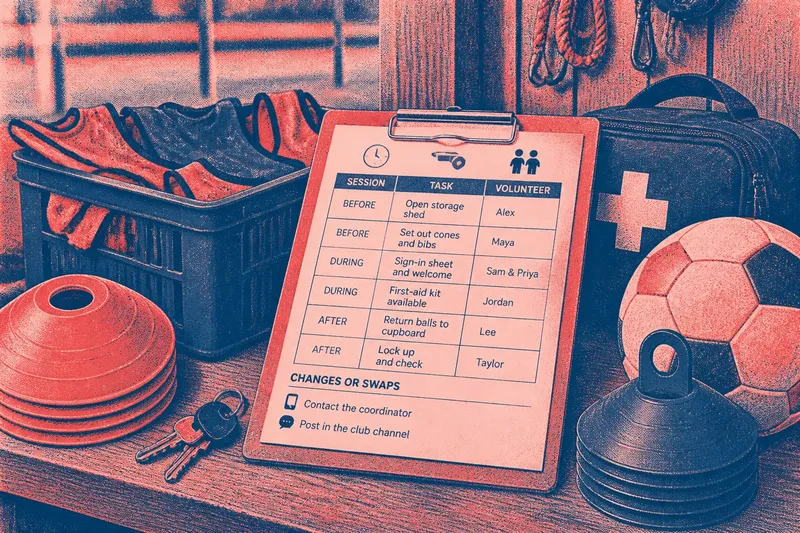
- Shared duties: Check whether members set up, keep score, or put equipment away. If tasks are explained and fit your availability, ask how to help; if the expectations are unclear or unsuitable, ask whether they are optional or part of participation.
- Next contact: Check whether you know whom to ask about another visit or joining. If you have a named contact, follow up with any remaining question; if not, ask the person who welcomed you for the right contact before leaving.
How does the session make room for beginners?
Look for how a newcomer moves from watching to taking part. A coach might demonstrate a drill, pair a beginner with an experienced player, or explain a simplified version before the group starts. The format can vary; what matters is whether you can understand how to enter and whom to ask when you are unsure.
Notice the tone of corrections, too. If someone misses a cue or misunderstands a rotation, does a member explain what to do next without making a spectacle of it? You do not need a flawless session. You need enough information and support to participate without guessing at every turn.
Consider the social rhythm as well as the activity. Some groups chat between games; others save conversation for afterward. Neither is a verdict on the club. Ask yourself whether that rhythm feels comfortable for the kind of participation you want.
What should you ask about practical arrangements?
Useful questions are specific enough to get an actionable answer. Choose the ones that match what you need to know:
- “Who should I contact before I come again?”
- “What should I bring or wear for a first session?”
- “Can visitors borrow equipment, and how do I arrange that?”
- “Is there a beginner group or a suitable activity for someone new?”
- “How do I find out about attendance, membership, or facility rules?”
Listen for a clear answer and the next person or place to check. If the club has membership terms, equipment requirements, or local facility rules, ask for the relevant information and review it before committing.
What details matter beyond the activity itself?
Notice the route through the space: where people enter, leave bags, get water, and wait without crossing an active drill. If you cannot tell where to go, ask someone to show you the usual path. Knowing these small routines can make the next visit feel less like improvisation.
Also look at the work around the activity. Members may set out cones, collect shuttlecocks, keep score, or return shared equipment. Ask how these tasks are handled and whether visitors are expected to help. That answer gives you a clearer picture of the ordinary commitment, not just the time spent playing.
If a health concern or accommodation could affect participation, discuss it with an appropriate qualified professional and the club contact before taking part in an activity that may affect it.
Which questions help you decide what to do next?
Can I observe before I join in?
Ask the club contact what visitors are expected to do, since some sessions welcome observers while others invite newcomers to participate. Clarify where to stand and whether you need to register before arriving.
How do I know whether the session suits a beginner?
Notice whether instructions explain how to enter an activity and whether there is someone available to answer questions. Ask directly about beginner options, because one session may not show every arrangement the club offers.
What if I do not know the rules?
Tell the coach or contact that you are new and ask who can explain the basics. A useful answer will identify a person or a practical way to learn, such as watching a round before trying one.
Do I need to decide about membership right away?
No; you can request the information and consider it after the visit. Check any terms, costs, or attendance expectations with the club before making a commitment.
How can you turn the visit into a clear next move?
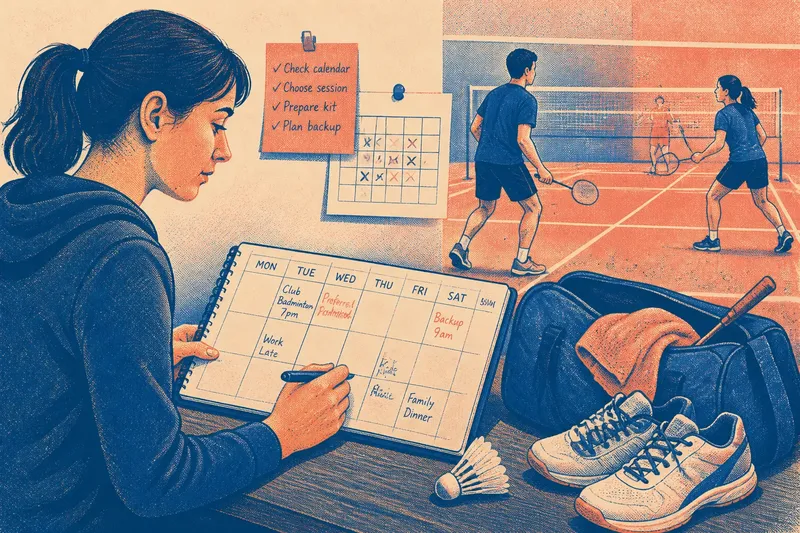
Say you visit a community badminton club and learn that newcomers can watch one rotation before joining a court. You enjoy the coach’s explanations, but you do not know whether your racket is suitable. Before leaving, you ask the contact whether visitors can borrow a racket and who handles the next-session details. The answers give you two concrete decisions: if a loan racket is available, arrange to use one; if not, ask the club what type is appropriate before borrowing or buying anything.
After the visit, write down what you learned in plain terms: “The coach explains court rotation,” “visitors can borrow a racket,” or “I still need to ask about attendance.” Then choose a next move that follows from those details: contact the club, visit a session that better matches your schedule, or leave the option open.
A first club visit is most useful when it helps you picture your own participation, not when it forces an instant verdict. Keep the unanswered question visible, and you will know exactly what to clarify before deciding whether the routine fits.